Minecraft Games - Building, Crafting & Survival Sandbox
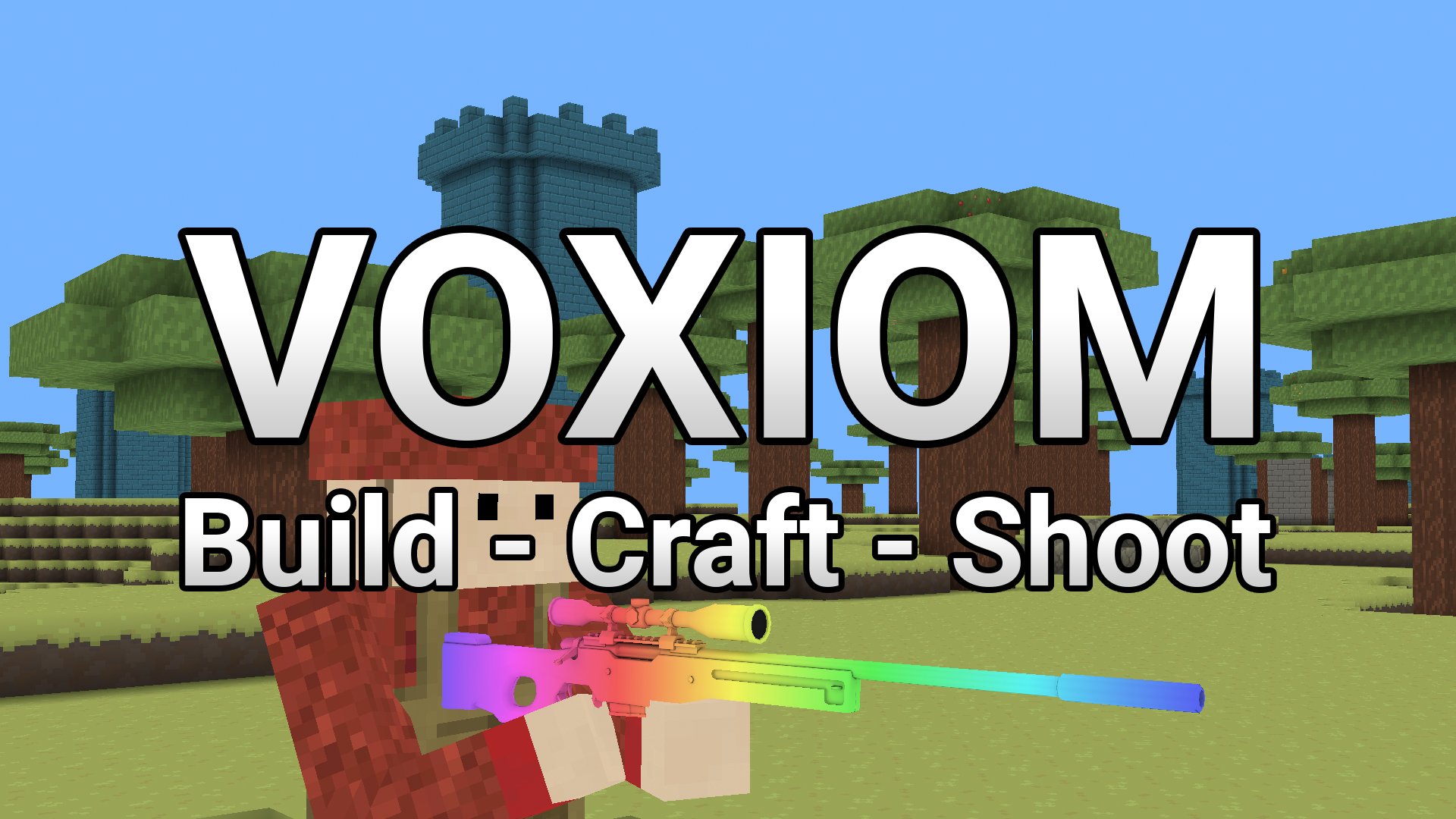
Unleash your creativity in blocky voxel worlds inspired by Minecraft! These games capture the essence of sandbox building, exploration, and survival gameplay that made Minecraft a global phenomenon. Gather resources from procedurally generated landscapes, craft tools and weapons, build elaborate structures from simple homes to massive castles, and face off against enemies in survival mode. Many games feature both creative modes with unlimited resources for unrestricted building and survival challenges that test your ability to thrive against hostile environments. The distinctive voxel art style is not just charming but allows for incredible creativity as you place and break blocks to shape your world. Play solo or join multiplayer servers to build collaboratively, engage in mini-games, or compete in unique voxel-based challenges. These games run smoothly in browsers using optimized WebGL rendering.
Minecraft and games inspired by its blocky aesthetic have revolutionized the gaming landscape by proving that simple graphics can coexist with incredibly deep gameplay. These voxel-based worlds offer unprecedented freedom, letting players shape their environments, create elaborate structures, and embark on adventures limited only by imagination. The creative possibilities are genuinely endless, making each playthrough unique and personal.
The genius of Minecraft-style games lies in their accessibility and depth simultaneously. Anyone can place a block or dig a hole, yet master builders create impossible structures that defy belief. The learning curve is gentle – you understand the basics within minutes – but mastery takes years. This balance ensures that newcomers feel capable while veterans continue discovering new techniques and possibilities.
Beyond creativity, these games excel at fostering community and collaboration. Shared worlds let friends build together, compete in challenges, or simply hang out in virtual spaces. Educational value emerges naturally as players learn architecture basics, engineering principles, resource management, and even programming concepts through mods and redstone creations. It's rare to find a game that's so thoroughly entertaining while also being genuinely educational.
Minecraft Game Modes
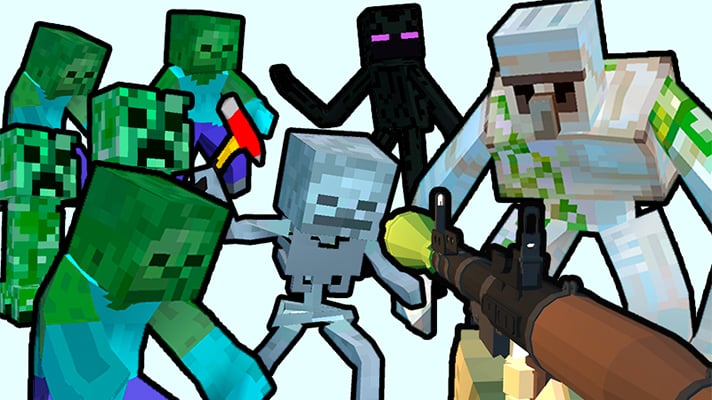
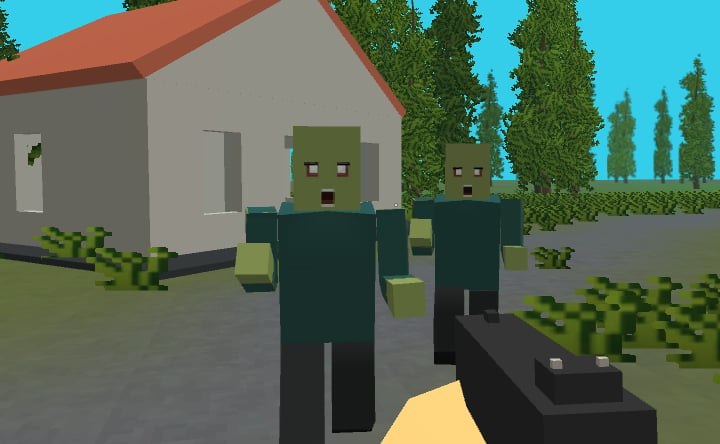
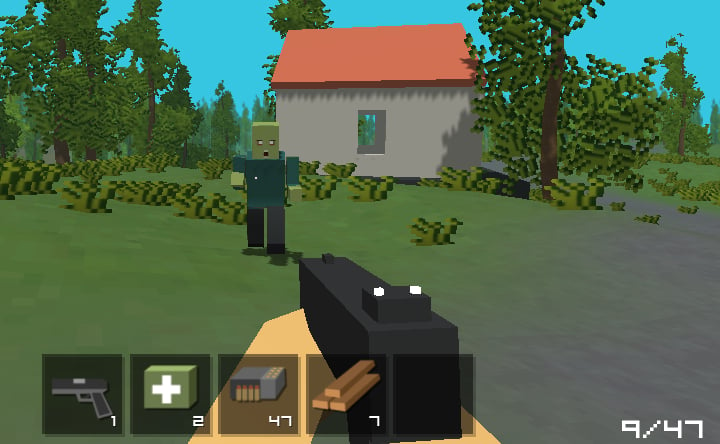
Survival mode drops players into dangerous worlds where gathering resources and crafting tools are essential for staying alive. Day and night cycles bring different threats, while hunger and health management add constant pressure. The satisfaction of progressing from nothing to fortified bases, powerful equipment, and eventual mastery of your environment creates an incredibly rewarding journey.
Creative mode removes limitations, providing unlimited resources and flight capabilities. This is where pure creation happens – players build massive structures, recreate real-world locations, design elaborate machines, or express themselves artistically. Without survival concerns, the focus shifts entirely to imagination and execution. The best creative builds are genuine works of art that showcase the medium's potential.
Adventure mode offers curated experiences with custom rules and objectives. Map creators design challenges, puzzles, and narratives that players must navigate. These custom maps can range from simple parkour courses to complex role-playing adventures with quests, NPCs, and unique mechanics. The diversity of player-created content ensures endless variety.
Multiplayer servers add social dimensions to all these modes. Join communities building massive cities together, compete in mini-games, participate in economy simulations, or engage in faction warfare. The social element transforms the experience, turning solitary creation into collaborative projects and solo survival into community endeavors.
Creativity & Building
Building in block-based games develops spatial reasoning, architectural understanding, and aesthetic sensibility. Players learn about scale, proportion, color theory, and structural integrity through hands-on experimentation. These skills transfer to real-world interests in architecture, design, and engineering. The process of planning and executing complex builds teaches project management and patience.
Redstone and similar technical systems introduce engineering and logic concepts in engaging ways. Players create automated farms, complex contraptions, and even fully functional computers within the game. These exercises teach circuit logic, automation principles, and problem-solving without feeling like educational content. The satisfaction of designing something that actually works is immensely rewarding.
Texture packs and mods expand creative possibilities further. Customize how your world looks, add new blocks and items, or introduce entirely new gameplay mechanics. The modding community has produced incredible content ranging from simple quality-of-life improvements to total conversions that feel like completely different games.
Sharing creations with others adds social and motivational dimensions. Publish your builds on community platforms, participate in building contests, or join collaborative projects. Feedback from other players helps improve your skills, while seeing what others create provides inspiration and new techniques. The community aspect transforms solitary creation into a shared artistic endeavor.
Educational Benefits
Minecraft-style games have earned recognition from educators worldwide for their tremendous learning potential. Mathematics comes alive as players calculate materials needed for projects, understand geometric relationships, and manage resources. Science concepts emerge through understanding farming cycles, redstone circuits, and environmental systems.
Project planning and execution skills develop naturally through long-term building projects. Players learn to break large goals into manageable tasks, prioritize work, troubleshoot problems, and persevere through setbacks. These organizational abilities and the discipline to see projects through to completion are valuable life skills.
Collaboration and communication flourish in multiplayer environments. Working together on builds teaches teamwork, negotiation, and leadership. Players must coordinate efforts, share resources, and resolve conflicts – all valuable social skills. The shared investment in creating something together builds genuine community and lasting friendships.
Frequently Asked Questions
Are Minecraft-style games suitable for young children? Absolutely! These games are family-friendly with minimal violence (cartoonish combat) and educational value. Parental supervision is recommended for online multiplayer, but the core gameplay is perfectly appropriate for all ages.
Do I need creative skills to enjoy these games? Not at all! While building is a major component, many players primarily enjoy exploration, survival challenges, redstone engineering, or multiplayer mini-games. The variety of activities means there's something for every interest and skill level.
What's the difference between official Minecraft and similar games? Official Minecraft offers the most polished experience and largest community. Similar games often provide free alternatives with different mechanics, visual styles, or feature sets. Many are excellent choices for those who want block-building fun without the cost.
Can playing these games teach programming? Yes! Advanced players often get into modding, which requires programming skills. Redstone teaches logic concepts that form programming fundamentals. Many programmers cite Minecraft as their first introduction to computational thinking.
Is multiplayer safe for children? Public servers vary, so parental guidance is important. However, many kid-friendly servers exist with strict moderation. Alternatively, players can set up private worlds accessible only to approved friends, providing controlled social experiences.
How long does a typical world last? Indefinitely! Worlds persist as long as you want them to. Players often invest hundreds or thousands of hours in single worlds, continuously expanding and improving. There's no time limit, completion requirement, or pressure to restart unless you choose to.