FPS Games - Free First Person Shooter & Multiplayer Combat
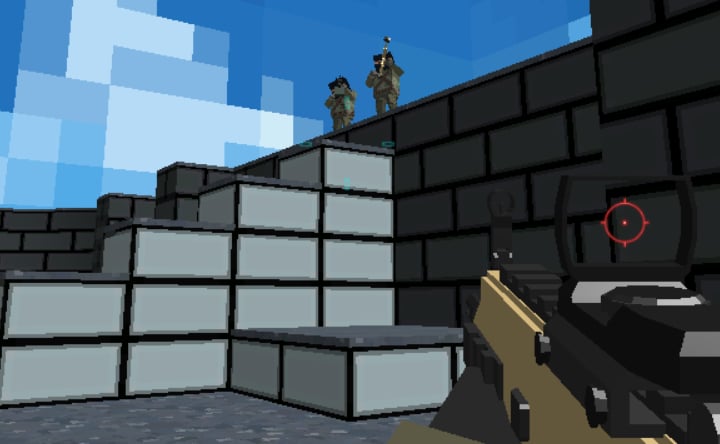
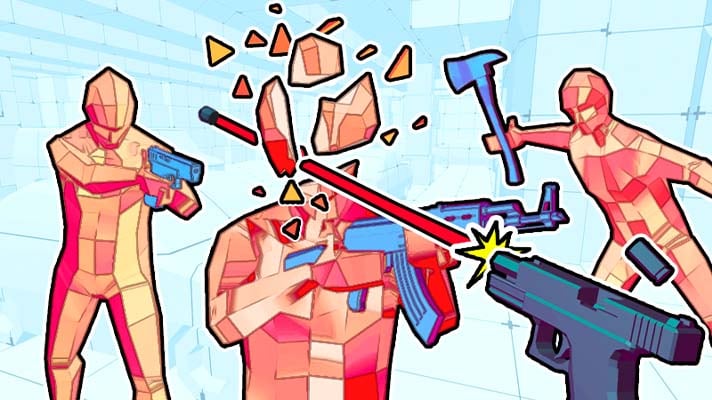
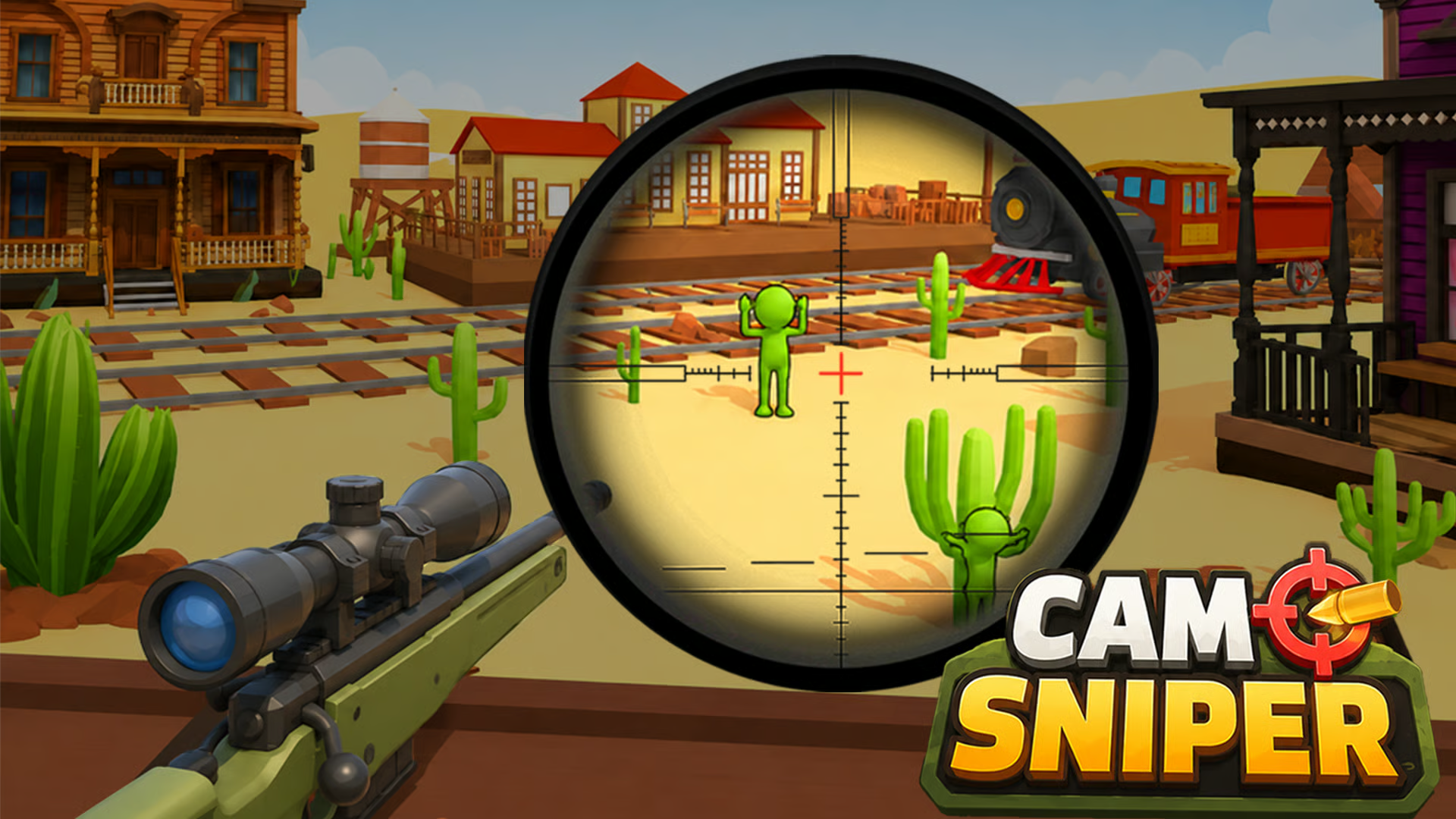
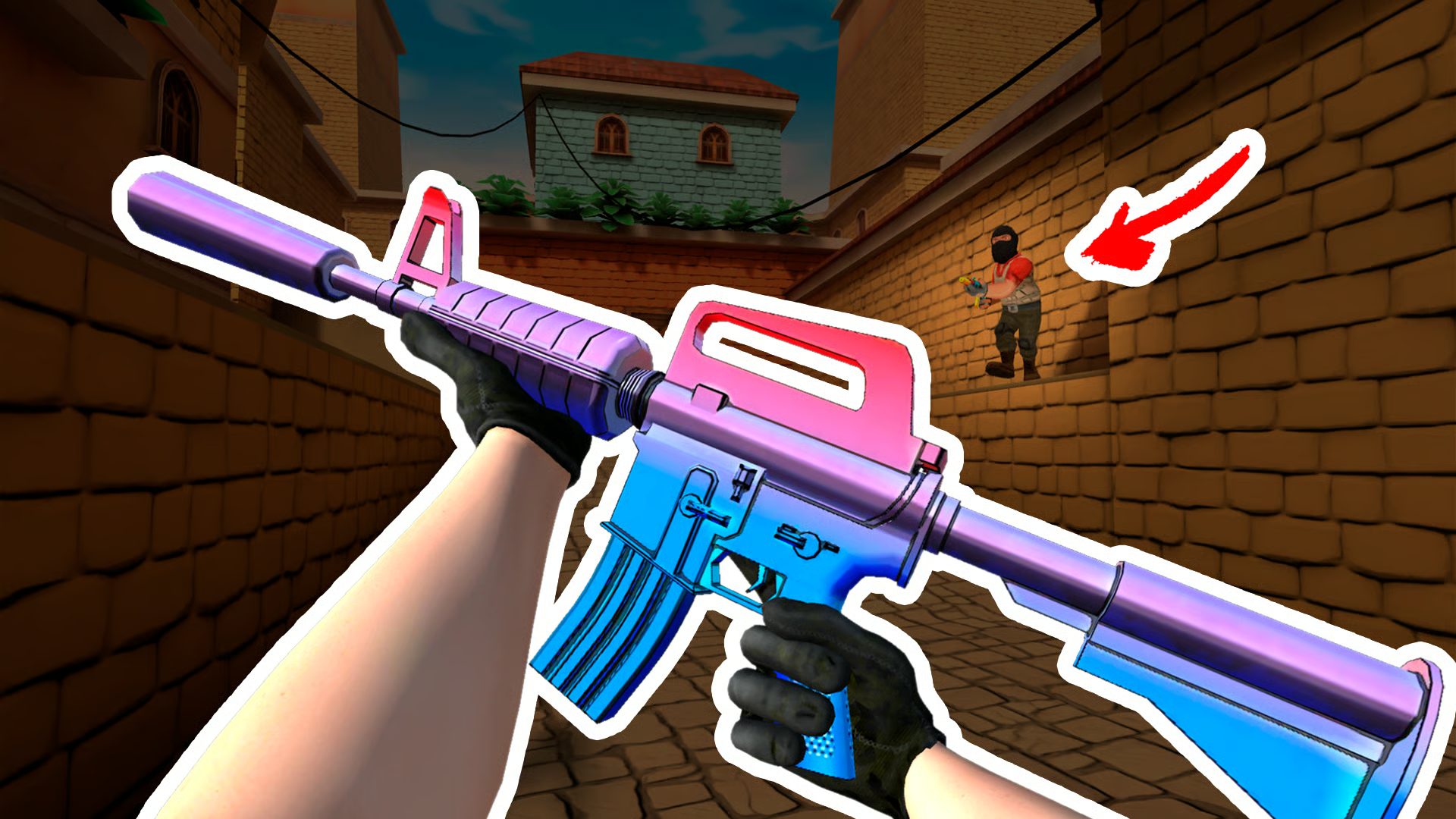
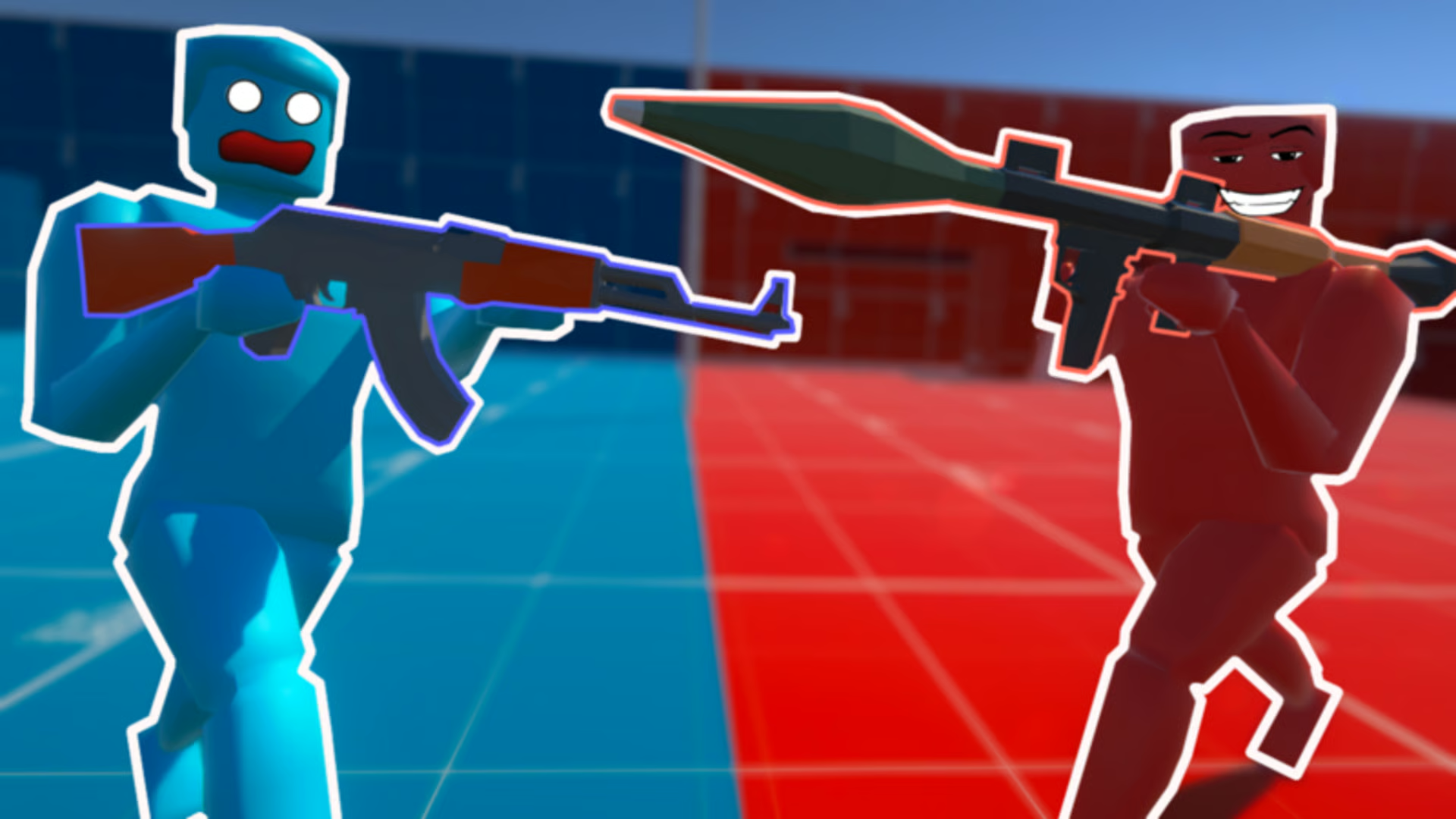
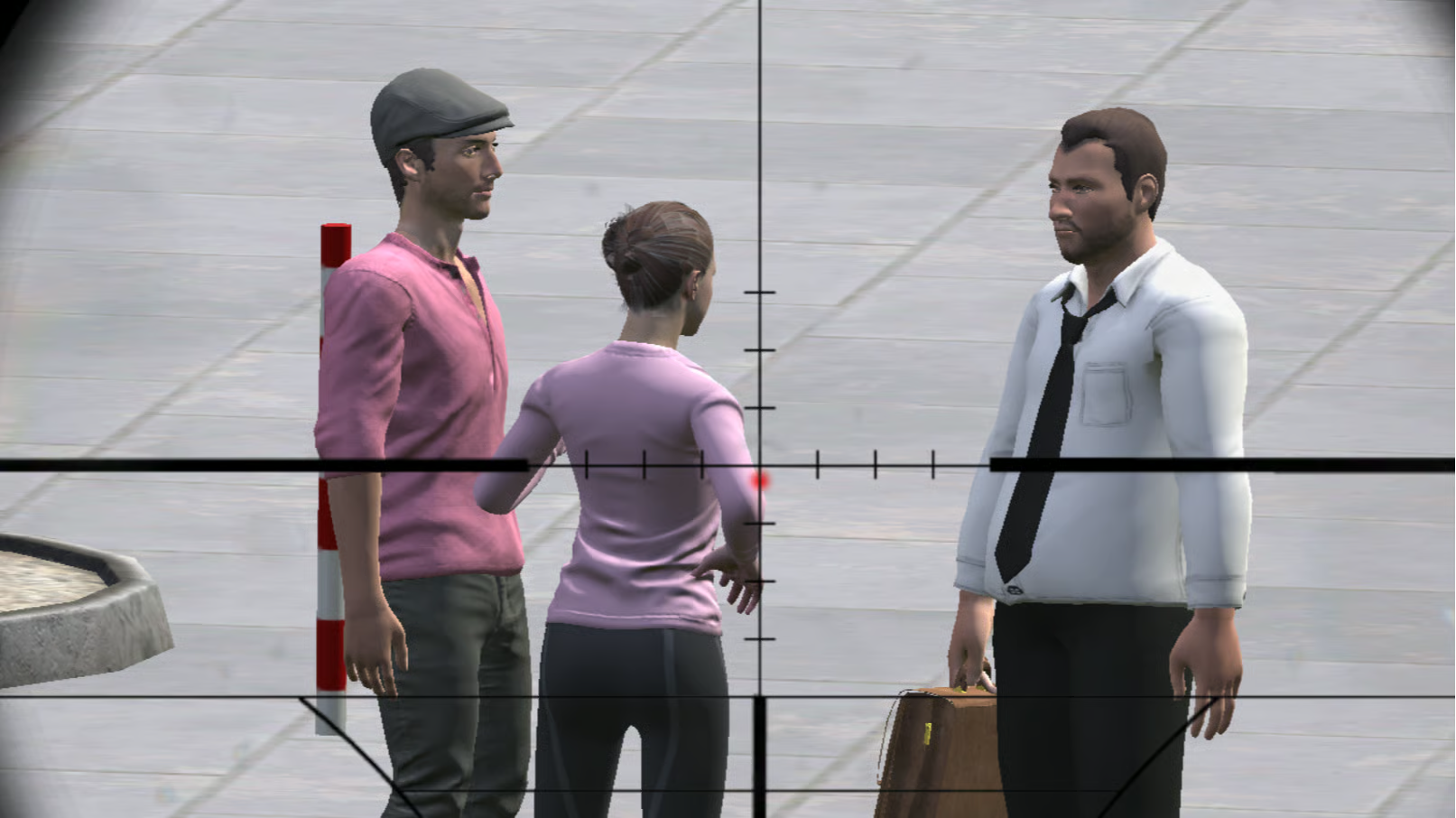
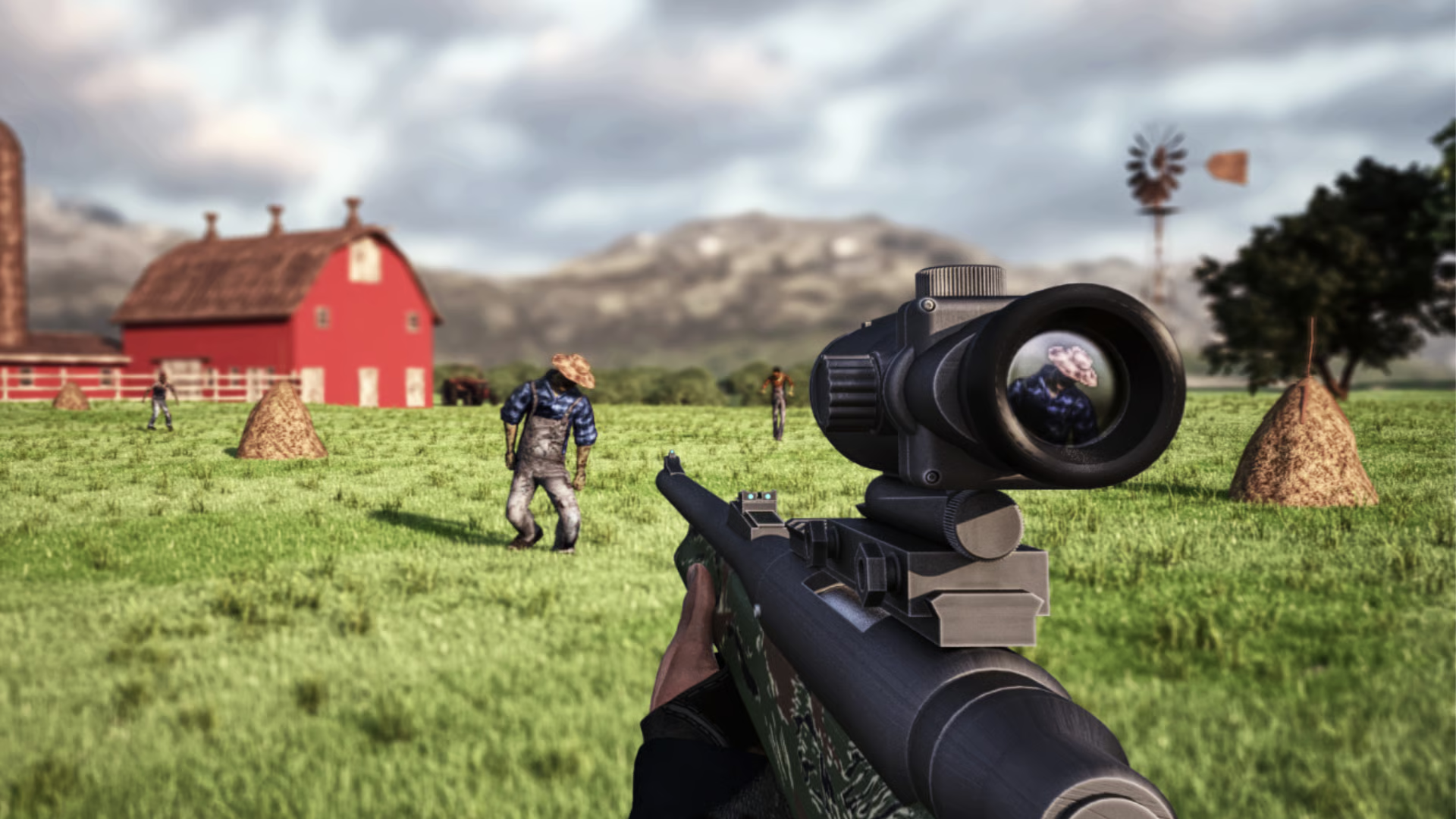
Lock and load for intense first-person shooter action! Our FPS games deliver the adrenaline of tactical combat with responsive gunplay, strategic positioning, and competitive multiplayer battles. Engage in fast-paced deathmatches, team-based objective modes, battle royale competitions, and cooperative survival scenarios against waves of enemies. These games feature a variety of weapons, equipment, and abilities to master, with progression systems that reward skill and dedication. Experience 3D environments with impressive graphics powered by WebGL, smooth mouse-aiming controls, and lag-free multiplayer when using modern browsers. Whether you prefer close-quarters shotgun combat, long-range sniping, tactical team play, or chaotic free-for-all battles, our FPS collection has something to satisfy every competitive shooter fan.
First-person shooter games represent one of gaming's most intense and competitive genres, placing you directly in the action through the eyes of the protagonist. The immersive perspective creates unparalleled excitement as you navigate battlefields, engage enemies, and experience the thrill of combat from a first-hand viewpoint. This immediacy makes every victory feel earned and every close escape genuinely pulse-pounding.
The genre's enduring popularity stems from its perfect balance of accessibility and depth. Basic mechanics – point, click, move – are easy enough for anyone to grasp, yet the competitive scene features incredible complexity and skill expression. Professional players demonstrate aim that seems superhuman, game sense that appears almost psychic, and teamwork that rivals traditional sports. This spectrum allows casual players to enjoy quick matches while dedicated competitors pursue mastery.
FPS games also excel at bringing people together. Whether cooperating in zombie survival modes, competing in team-based objectives, or facing off in free-for-all arenas, the social element is central to the experience. Friendships form through shared victories and defeats, communication skills develop through necessary coordination, and the competitive bonds forged in intense matches can last for years.
FPS Game Modes
Team deathmatch throws two sides into direct conflict, with each kill earning points for your squad. Coordination and communication become crucial as you work together to outmaneuver opponents. The chaotic action rewards both individual skill and team strategy, making every match unpredictable and exciting. Learning to play your role – whether aggressive frontliner or supportive defender – is key to success.
Capture the flag modes add objective-based gameplay to the shooting formula. Teams must balance offense and defense, protecting their flag while attempting to seize the enemy's. These matches emphasize map control, strategic positioning, and timely decision-making. The best teams know when to push aggressively and when to fall back and regroup.
Battle royale drops large numbers of players into shrinking arenas where survival is the only goal. Scavenge for weapons, avoid the encroaching danger zone, and eliminate opponents until only one remains. Each match tells a unique story as you adapt to available equipment, encounter situations, and make crucial decisions. The tension builds naturally as the playable area contracts and encounters become inevitable.
Cooperative modes pit teams against AI-controlled enemies in increasingly difficult waves. Surviving requires teamwork, resource management, and strategic thinking. These modes are perfect for friends who want to play together without direct competition, fostering collaboration and shared achievement. The satisfaction of overcoming seemingly impossible odds together creates lasting memories.
Skills for FPS Success
Aim is the most obvious skill in FPS gaming, but it's also the most misunderstood. True aiming ability combines raw accuracy, target tracking, and flick shots – each component serving different situations. Practice routines that isolate these skills help improve more efficiently than just playing matches. Remember that even professional players miss shots; the key is consistency and quick recovery.
Positioning and game sense often matter more than mechanical skill. Knowing where enemies are likely to appear, understanding map flow, and making smart decisions about when to engage or retreat separate good players from great ones. Develop these skills by watching experienced players, analyzing your own gameplay, and constantly asking yourself "why" after each death or victory.
Movement in FPS games is both an art and a science. Strafe shooting, peeking angles, using cover effectively, and unpredictability all give advantages in combat. Good movement makes you harder to hit while improving your own positioning. Practice movement mechanics in safe environments before applying them in matches, where hesitation can be fatal.
Communication and teamwork complete the FPS skill set. Even in modes with solo performance elements, coordinating with teammates dramatically increases your chances of victory. Learn to call out enemy positions, share resources, support teammates, and maintain positive morale even when losing. Good communication turns a group of individuals into an effective team.
Improving Your Performance
Consistent practice is the foundation of improvement, but quality matters more than quantity. Focused practice sessions targeting specific skills – aim training, movement drills, or specific situations – yield better results than mindless match grinding. Set goals for each session, whether it's improving accuracy, learning map callouts, or mastering a new weapon.
Analyzing your gameplay is crucial for advancement. Record matches and watch them critically, identifying mistakes, missed opportunities, and bad habits. Even better, seek feedback from more experienced players who can spot issues you might miss. The most successful players are those who continuously learn and adapt based on self-reflection and external feedback.
Physical factors like ergonomics and health significantly impact performance. Ensure your gaming setup promotes good posture, take regular breaks to prevent fatigue, and maintain overall health through exercise and proper sleep. Being physically comfortable and rested allows you to play longer and perform better, making practice more effective.
Frequently Asked Questions
Are FPS games too violent for children? Many FPS games include realistic violence and are rated accordingly. However, some options feature cartoon graphics or sci-fi settings that make combat less graphic. Always check age ratings and content before playing.
Do FPS games improve real-world aim? They can enhance hand-eye coordination and reaction time, which may help with activities that require precise aiming. However, the skills are game-specific and don't directly translate to real-world marksmanship without proper training.
What sensitivity should I use? There's no perfect sensitivity – it's entirely personal preference. Lower sensitivity generally allows more precise aiming, while higher sensitivity enables faster target acquisition. Experiment to find what feels comfortable for your playstyle.
Can I play FPS games on a laptop trackpad? While technically possible, it's extremely challenging and puts you at a significant disadvantage. A mouse is strongly recommended for FPS gaming. Even a basic mouse provides much better control than any trackpad.
How long does it take to get good at FPS games? Basic competence comes within 20-30 hours of play. Competitive-level skill typically requires hundreds of hours spread over months or years. Focus on gradual improvement rather than rushing results, and remember that everyone progresses at their own pace.
Is playing FPS games good for reflexes? Yes! FPS games are excellent for improving reaction times, hand-eye coordination, and visual processing speed. Regular play can enhance these cognitive functions, with benefits potentially extending to real-world activities that require quick responses.